
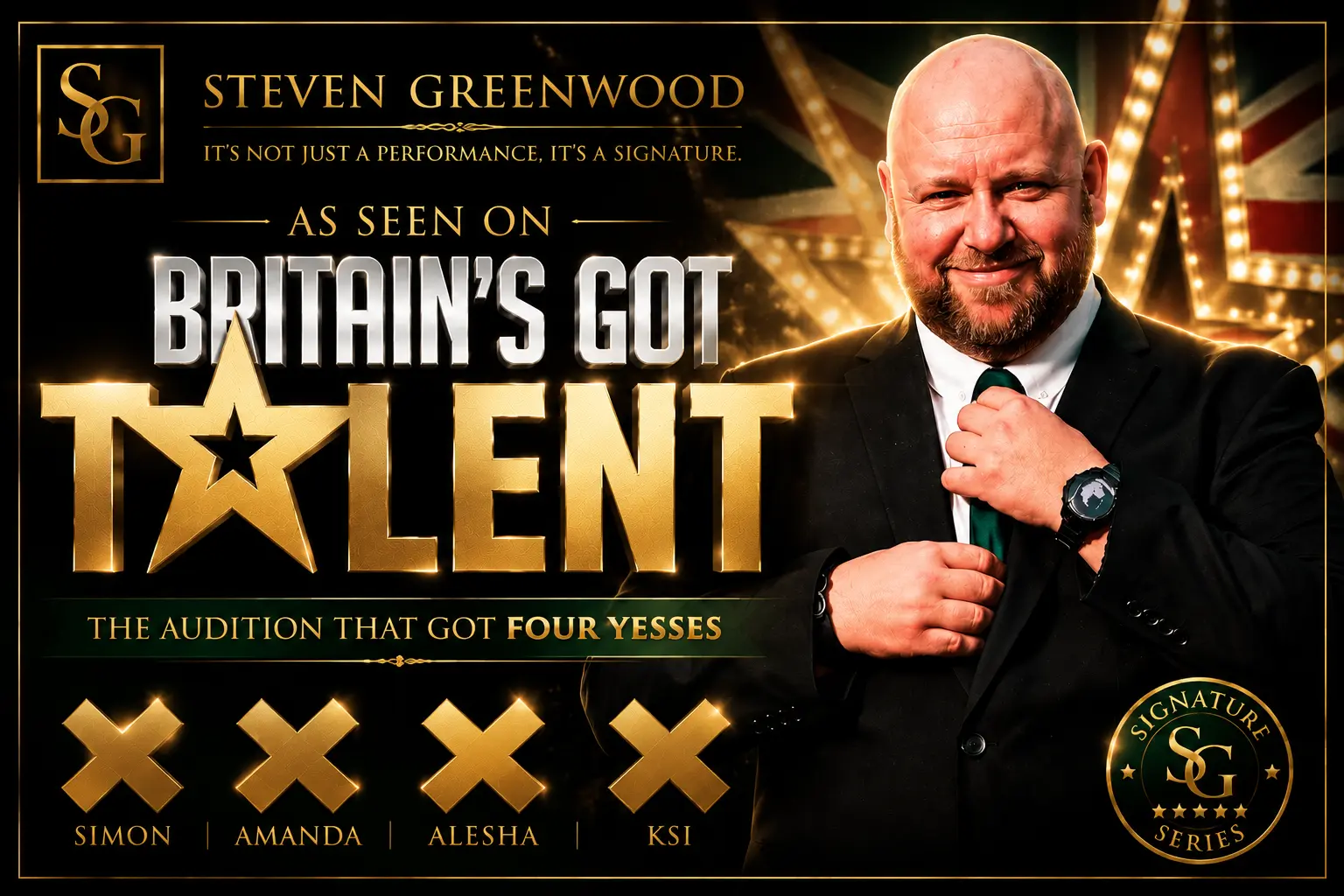
My Britain’s Got Talent audition began with somebody in an audience taking out their phone.
I was performing at the Big Top Show Bar, doing what I normally do: hosting, talking to the room and singing live.
Afterwards, a woman approached me and said she had filmed parts of the show. She had sent the videos to a friend who happened to be a producer on Britain’s Got Talent.
It sounded like the kind of lovely comment people make after a good night.
I thanked her and thought little more about it.
Approximately two days later, Britain’s Got Talent contacted me.
An Invitation I Wasn’t Expecting
The production team had seen the footage and wanted to talk about bringing me onto the programme.
There was one immediate complication.
I was already a working professional with existing bookings. I explained that I would not cancel commitments to clients in order to disappear into a long preliminary audition process.
Those clients had booked me first. I was not going to exchange my responsibility to them for the possibility of television.
Production explained that they were not asking me to follow the usual sequence of preliminary auditions. They wanted to move me towards performing directly before the judges.
That was rather more difficult to ignore.
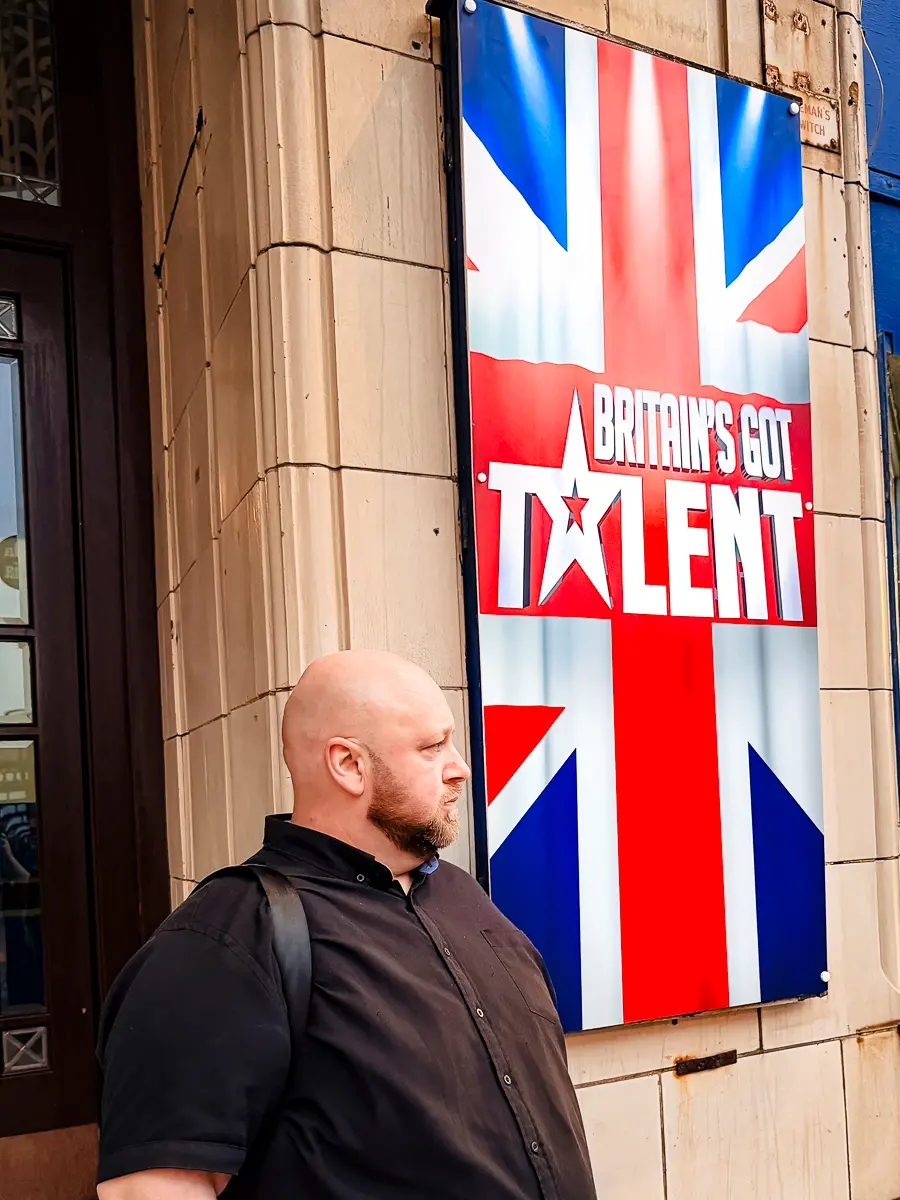
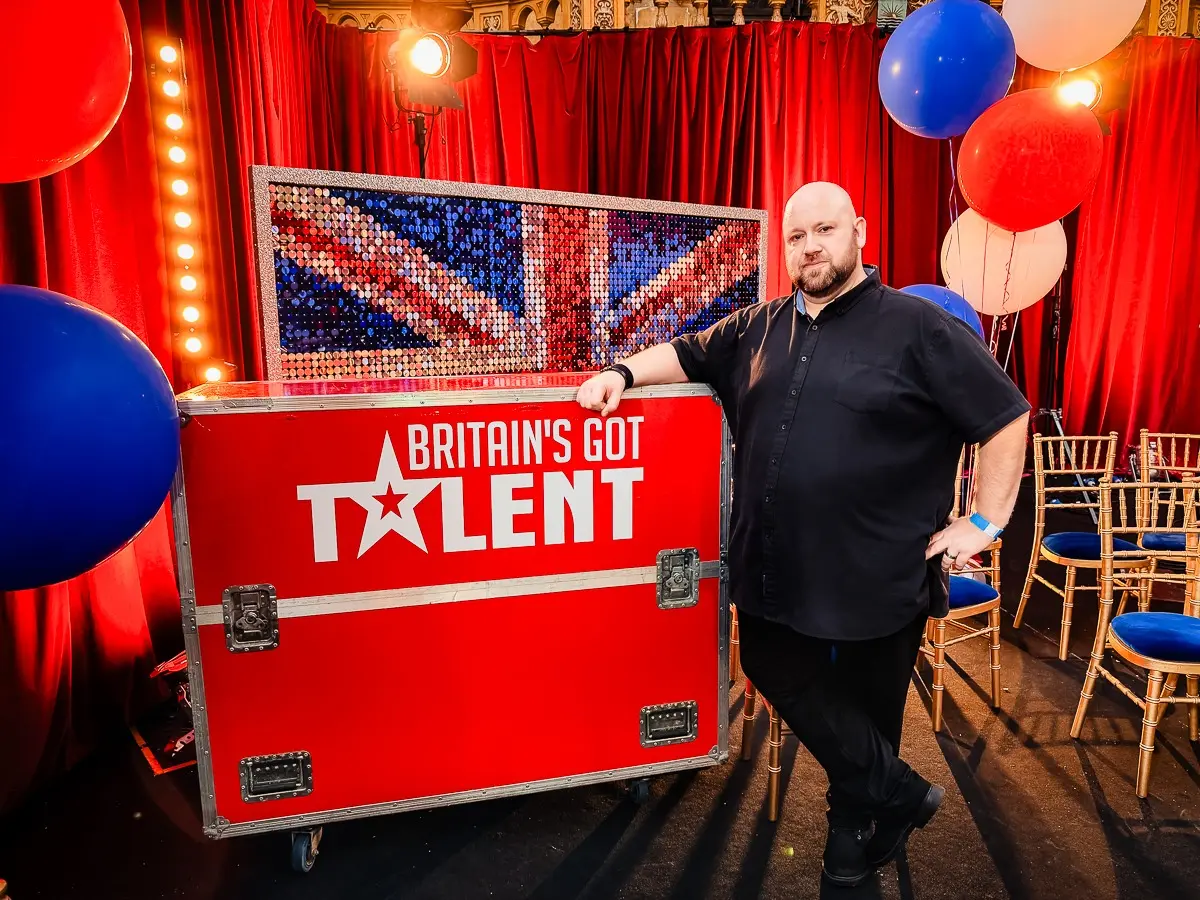
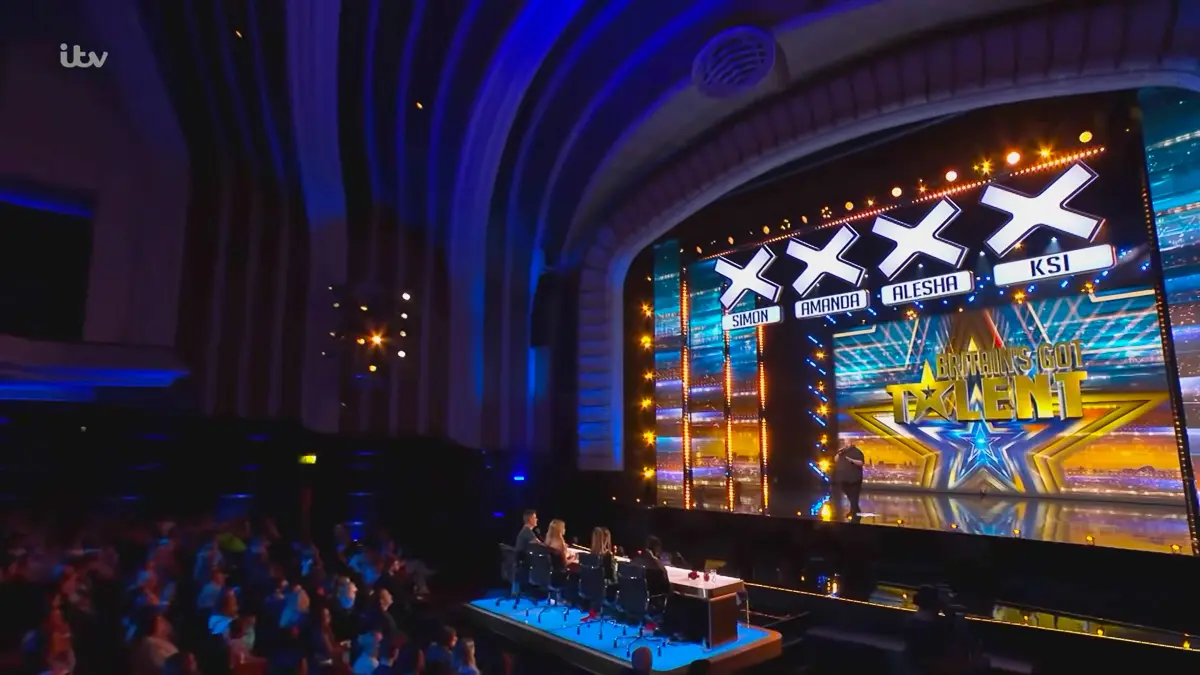
Further conversations followed. Audition material was discussed. Paperwork arrived. And what had begun as one audience member filming a performance became a date at the Winter Gardens Opera House in Blackpool.
There Was Also the Small Matter of a Wedding
The judges’ audition was scheduled for 13 October 2025.
Hannah and I had got married two days earlier.
So while most sensible newlyweds might have been concentrating entirely on their honeymoon, ours acquired a Britain’s Got Talent audition in the middle of it.
Hannah rearranged everything so that I could take the opportunity without abandoning either commitment.
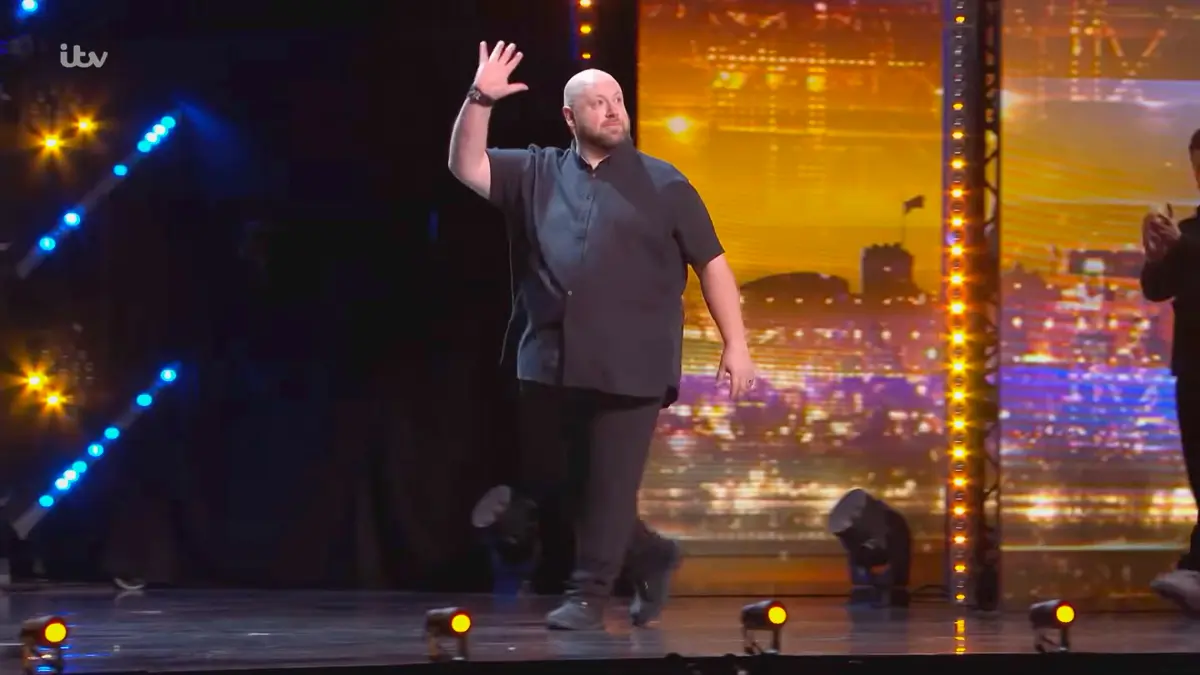
That became part of the conversation when I walked onto the stage. I told the judges I was 45, from Grimsby and had married two days earlier.
When they asked whether I was enjoying the honeymoon, I gave the only honest answer available:
“That all depends on how this bit goes.”
Fortunately, they laughed.
Before the Stage
During the morning soundcheck, I performed the material planned for the audition. I remember the production team reacting strongly to the vocal range.
The arrangement was deliberately built around contrast.
It began with Stay by Maurice Williams and the Zodiacs—a song that had already played an important part in my development as a vocalist. Its lower opening gives way to that famous high section.
From there, the medley moved into Tragedy by the Bee Gees.
The music was prepared. The structure was clear.
Everything surrounding it was about to become rather less predictable.
They Thought I Was a Comedian
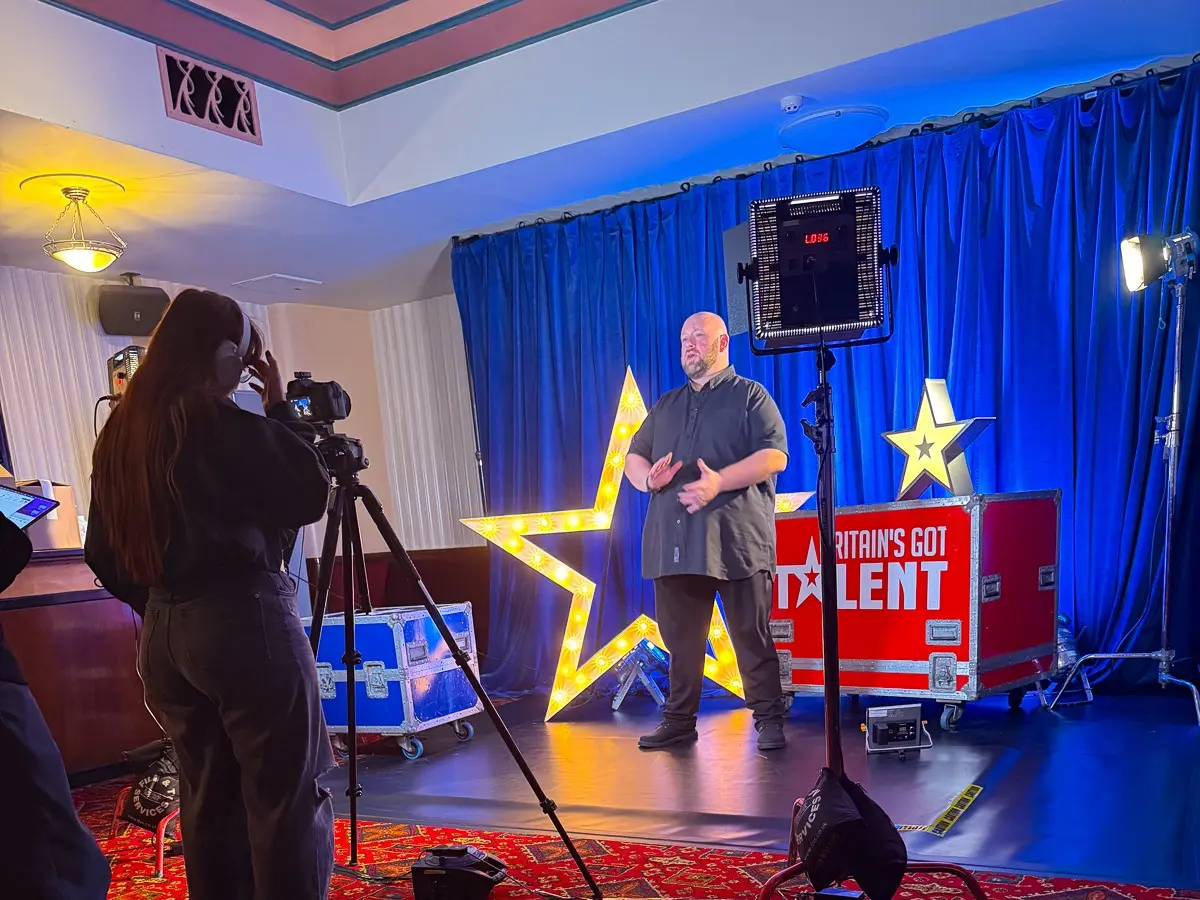
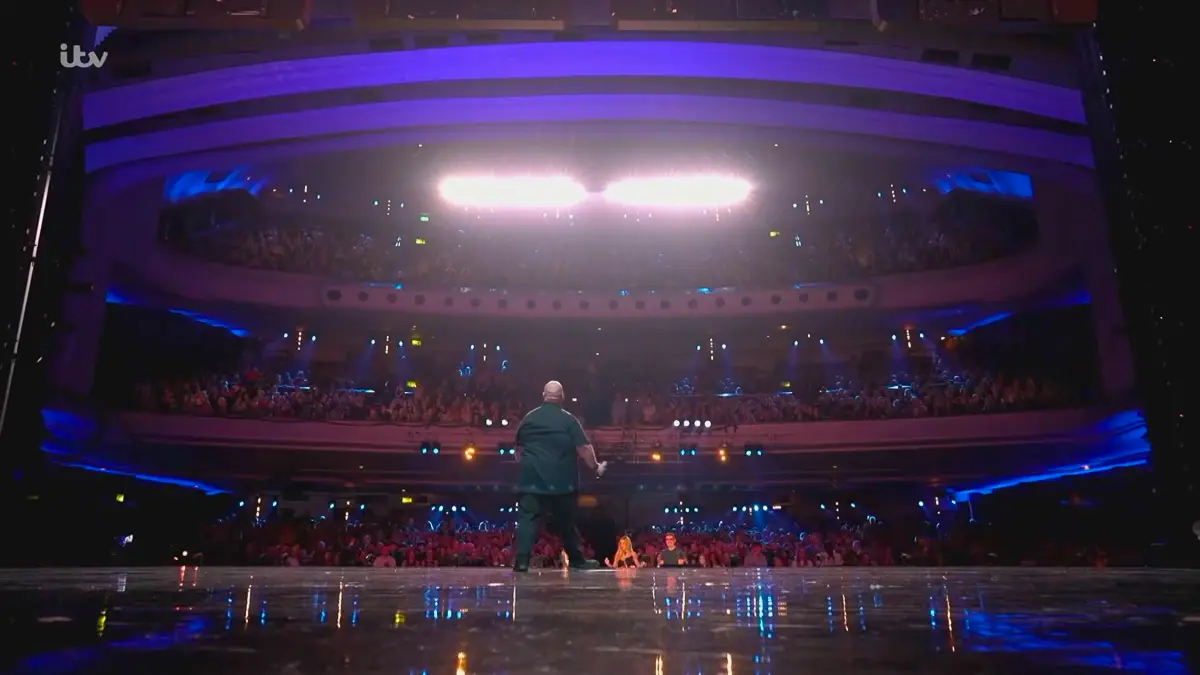
When I reached the stage, there was a microphone stand in front of me.
I moved it and joked that I wanted the judges to be able to see me properly.
The conversation developed from there. The judges laughed. The audience laughed. I was being myself, talking to the room and allowing the moment to go where it wanted.
By the time the music was ready to begin, KSI and Alesha Dixon had apparently decided they were about to watch stand-up.
KSI later explained:
“Me and Alesha were expecting you to do stand-up… because you’re really funny.”
Which meant the room had made an assumption.
And assumptions can be wonderfully useful things.
Then I Sang
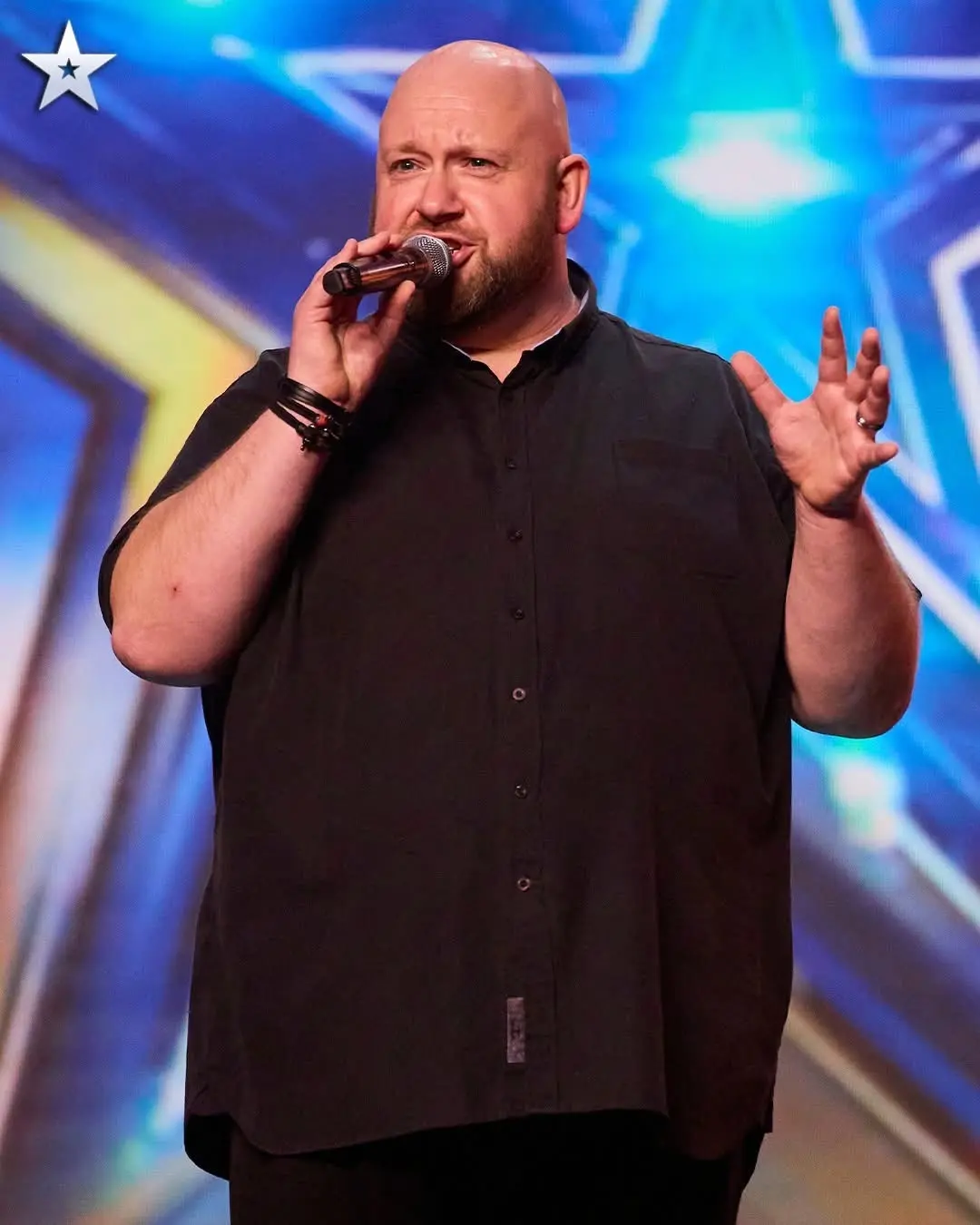
The opening of Stay gave the audience one version of the voice.
Then the high register arrived.
The contrast with what everybody had expected created an immediate reaction. I remember the audience standing, dancing, clapping and singing along as the performance moved into Tragedy.
KSI’s response afterwards captured it perfectly:
“I mean, wow, Steven, I didn’t expect that voice.”
Amanda Holden asked how many octaves I had.
“Three at the moment,” I replied.
The answer received a very satisfying “wow.”
The Buzzer
There is another part of the audition that matters because tidy retellings can easily remove it.
Alesha buzzed during the performance.
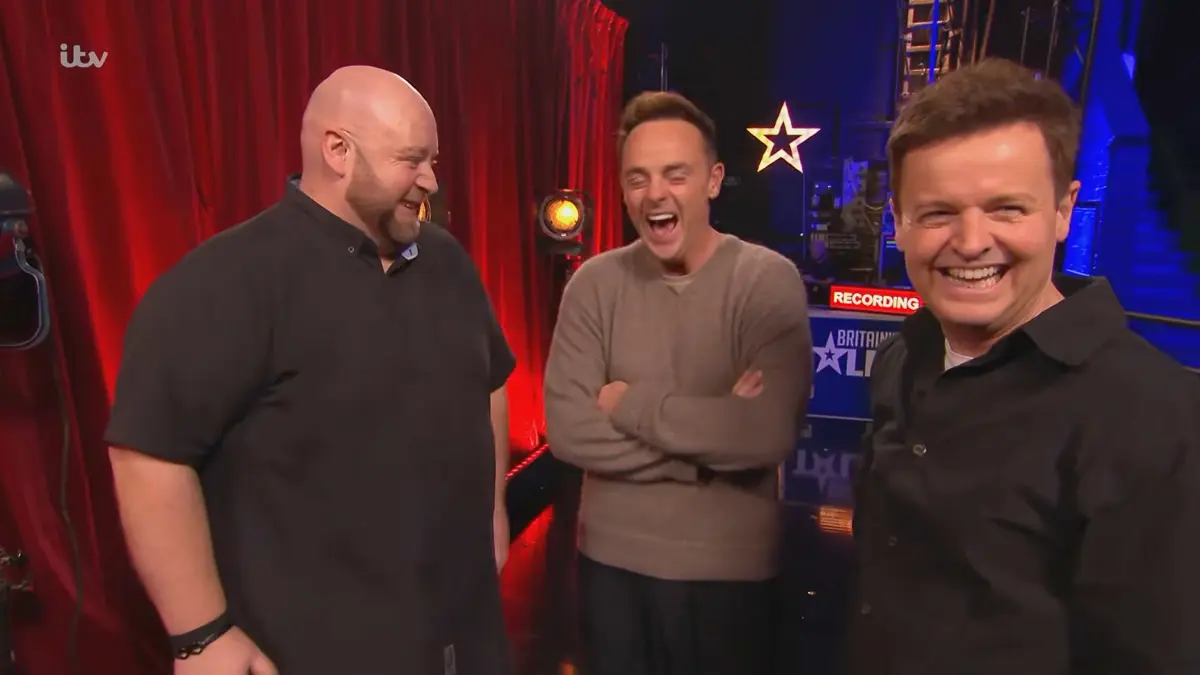
Backstage, I later described the feeling with characteristic elegance:
“The world fell out my bum.”
But the buzzer was not the final decision.
When the performance and conversation were over, Alesha said she had been “a bit grumpy”, apologised and changed her decision to yes.
That distinction is important. The dramatic moment during the song was real. So was the change of mind afterwards.
I progressed to the next round. My recollection is four yeses from the panel.
The audition had travelled through comedy, expectation, surprise, a standing audience, one extremely alarming buzzer and an eventual yes.
It was not exactly a quiet afternoon.
The Performer Arrived Before the Television Cameras
Britain’s Got Talent is often treated as the beginning of somebody’s story.
For me, it was a milestone within one that had already been running for decades.
I had first taken over a holiday-park disco at about fourteen when the scheduled DJ failed to appear. By sixteen, I was formally employed. I went on to work as a resident DJ, entertainer, sound engineer, MC and eventually Entertainment Manager.
I had spent years learning how rooms work—sometimes in front of audiences of around a thousand people a night. I had built shows, engineered live sound, hosted events, developed as a vocalist and learned that personality is not something you add around a performance.
It is part of the performance.
The television opportunity itself came because somebody had seen an established live act and independently thought it deserved a larger stage.
BGT did not manufacture the performer.
It discovered him at work.
Personality. Connection. Surprise. Performance.
Looking back, the audition now feels like an unusually clear example of the principle behind everything I do.
The judges met the personality first. The conversation created connection. The humour led them to expect stand-up. Then the vocal provided the surprise.
Even after they complimented the voice, I immediately returned to humour.
When the judges reacted to how unexpected the voice had been, I explained:
“It’s just something I can do, and I wear tight underwear and it just helps.”
There was no need to become suddenly solemn because somebody had said something complimentary.
The person they had met before the song was still the person standing there afterwards.
Don’t assume you know what’s coming next had not yet become one of the phrases we use to describe the Greenwood approach.
But there it was, playing out on one of the biggest stages in the country.
Then We Went Back to the Honeymoon
After the audition, Hannah and I completed our honeymoon and returned to normal professional life.
Production does not tell contestants exactly what will happen next. There was no certainty that the audition would be shown, lead to another stage or ever become part of the public story.
So I did not build the business around a television appearance that might never happen.
I continued honouring bookings. We continued developing the website, artwork, logos, social media, packages and overall presentation. The work carried on.
Around February 2026, I learned that although I had progressed from the judges’ audition, I had not been selected for the live shows.
Whether the audition would be broadcast was still uncertain.
BGT Unseen
At the beginning of March, another call arrived.
The audition had been selected for Britain’s Got Talent: Unseen.
I had to keep the news confidential before transmission, so once again I carried on working without publicly announcing what was coming.
The audition was broadcast on Saturday 28 March 2026.
I was performing a professional engagement that day.
Only after finishing that booking did I announce that the audition had been shown. The response from existing audiences and followers was immediate and extraordinary.
A moment created on a stage in Blackpool had finally reached people everywhere.
What the Broadcast Changed
The greatest impact was not suddenly having a career.
I already had one.
What the broadcast provided was visible, independent proof of the thing we had already been building.
People who had only encountered a short clip from a pub or an isolated social-media video could now see me command a major theatre stage, interact spontaneously with nationally recognised judges, generate laughter, deliver an unexpected high-register vocal and progress from the audition.
It closed the gap between the brand promise and the evidence.
Since then, performances across social media have reached more than 2.5 million views. But behind every number is still one person deciding to stop, listen and watch.
What Did Not Change
The next audience still deserved the same commitment.
Whether millions are watching through a screen, a thousand people are sitting in a venue or thirty guests are gathered for a private celebration, the people in that particular room are not a rehearsal for something more important.
They are the performance.
They deserve preparation. They deserve attention. They deserve an entertainer who notices them.
National television brought scale.
Connection remained the purpose.
Four Yeses—and Then Back to Work
I am proud of Britain’s Got Talent.
Proud of walking onto that stage as myself. Proud that the humour, voice and surprise all belonged to the same performance. Proud that Alesha reconsidered. Proud of progressing. Proud of the four yeses I remember receiving.
But I am also grateful for every less glamorous room that came before it.
Every request that changed a set. Every difficult audience that taught me to work harder. Every brilliant night when strangers suddenly felt connected. Every performance that taught me what kind of entertainer I wanted to be.
All of those rooms walked onto the Britain’s Got Talent stage with me.
The cameras simply allowed more people to see the result.
And then, as always, it was time to prepare for the next room.